Complete Guide to Custom CNC Bike Parts Manufacturing
1. Core Advantages of CNC Machining for Bike Parts
CNC machining stands out as the gold standard for custom bike components due to its unmatched capabilities:
- Micron-Level Precision: Tolerances as tight as +/-0.005 mm (+/-0.0002 inches) ensure perfect fit, eliminating flex or play in critical parts like bottom brackets and frame joints .
- Complex Geometry Mastery: 3-5 axis CNC machines create intricate shapes-such as aerodynamic frame joints, undercut cable stops, and optimized crankarms-that traditional methods (casting,forging) can't replicate .
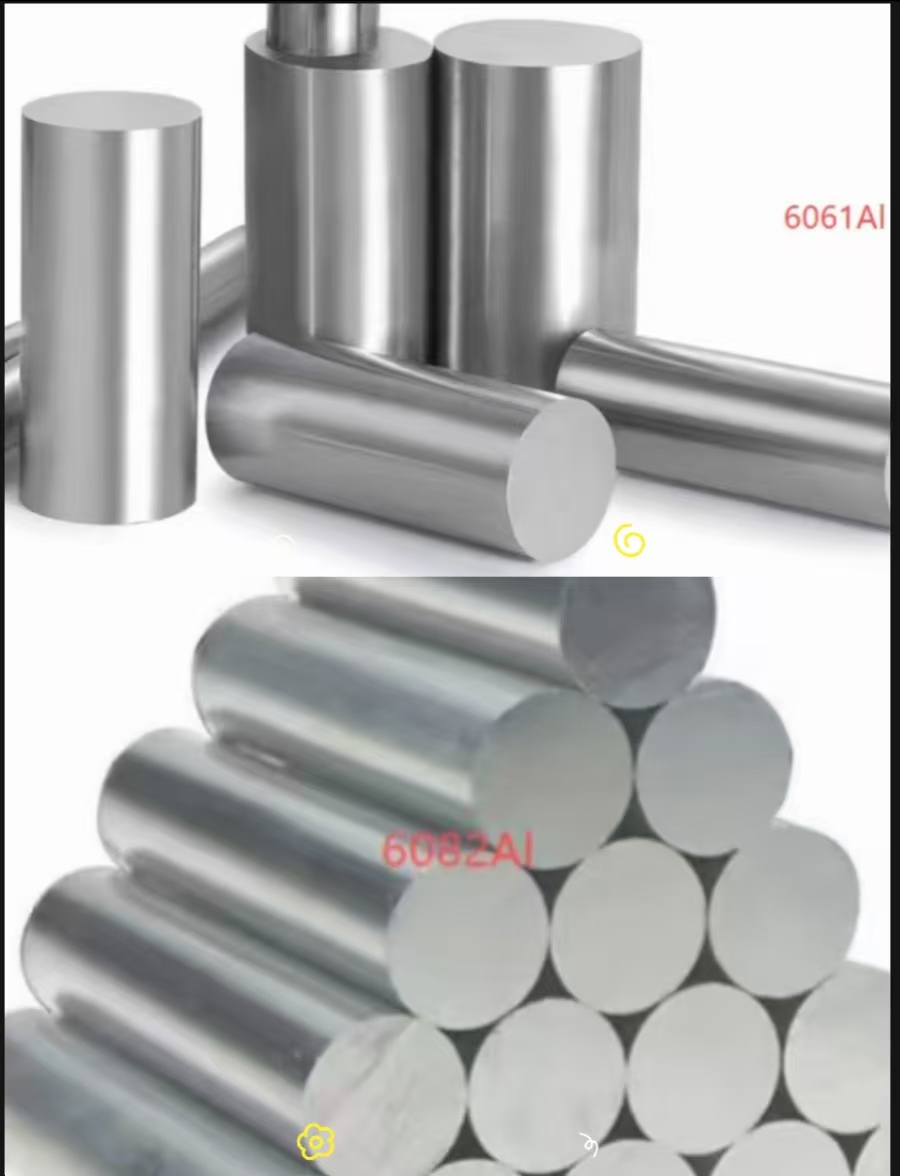
- Material Versatility: Works with premium substrates including 6061-T6/7075-T6 aluminum (aero/lightweight), Ti-6Al-4V titanium (strength-to-weight ratio), chromoly steel (durability), and carbon fiber composites (hybrid parts) .
- Consistency & Scalability: Automated programming ensures every part (from prototype to 100,000-unit runs) matches the original design exactly, with lead times as short as 1-5 days for prototyping .
- Safety Compliance: Meets global standards like ISO 4210 (bicycle safety) and AS9100 (aerospace-grade quality), critical for load-bearing components .
2. Key Custom CNC Bike Parts & Applications
Nearly any bike component can be CNC-machined for customization, with high-demand parts including:
- Structural Components: Frame joints (triathlon,aero bikes), bottom brackets, dropouts, and fork crowns-optimized for load transfer and stress reduction .
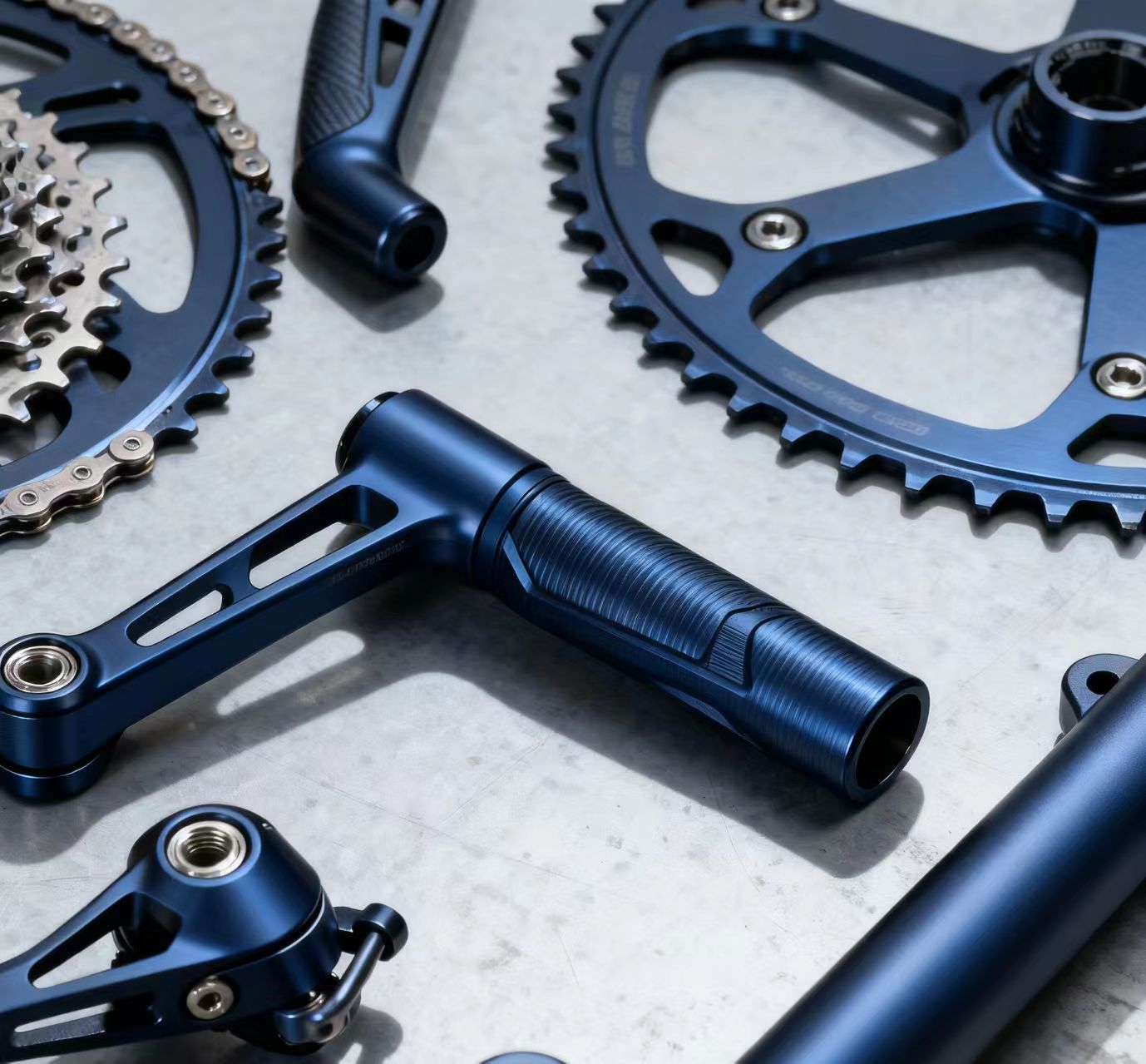
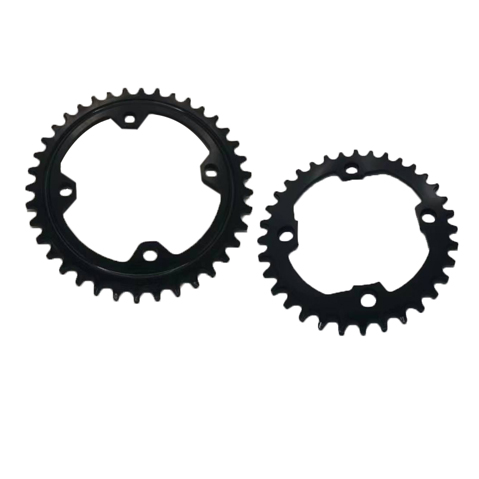
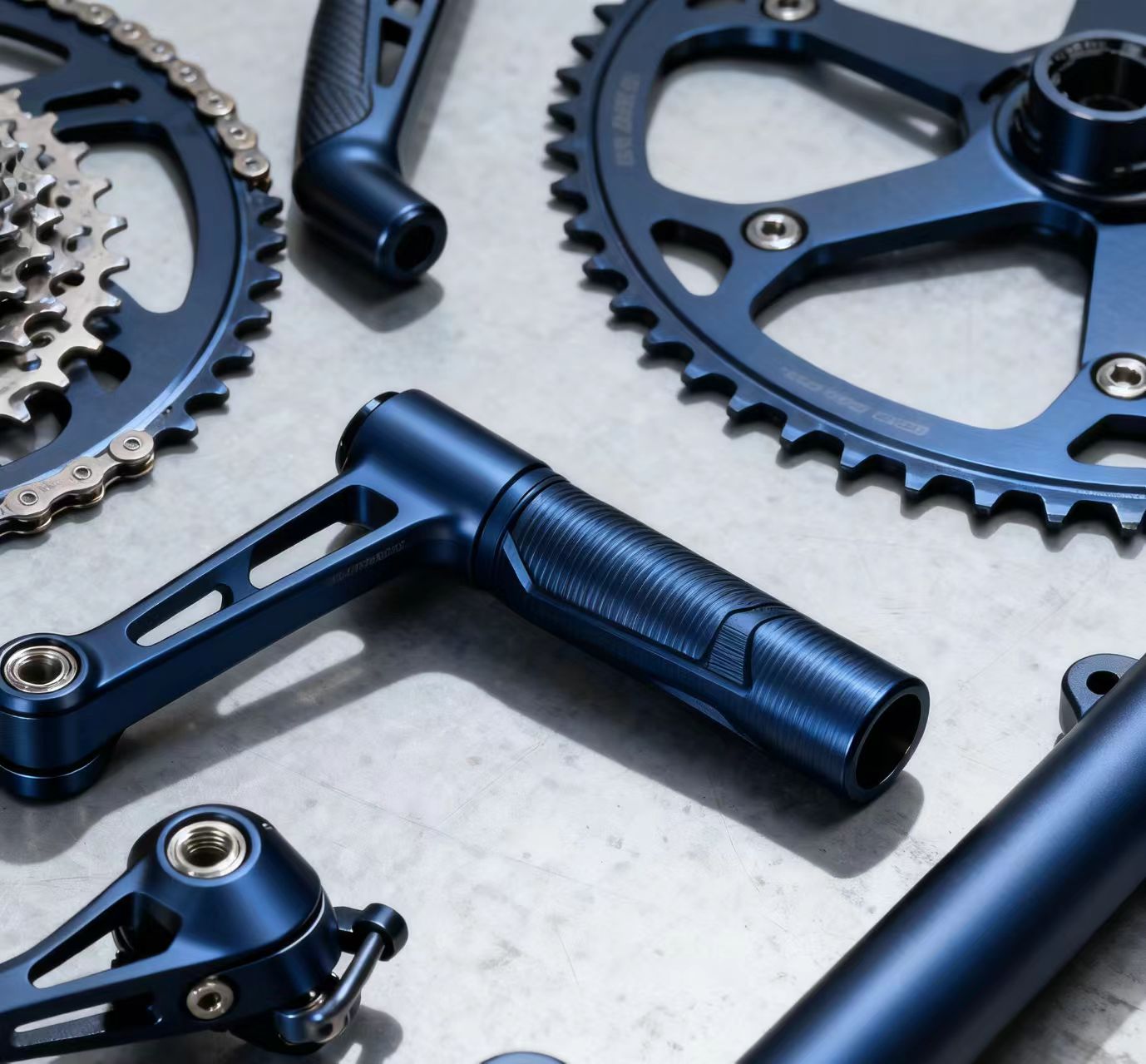
- Drivetrain Parts: Cranksets, chainrings, and cassette hubs-precision-machined for power transfer efficiency and wear resistance .
- Control Components: Handlebars, stems, brake calipers, and shifter housings-tailored to rider ergonomics and aerodynamic needs .
- E-Bike Specialties: Reinforced battery mounting brackets, cable management systems, and motor adapters-balanced for weight and structural integrity .
3. Step-by-Step Manufacturing Workflow
Step 1: Design & CAD Modeling
Start with a detailed 3D model using CAD software (SolidWorks, UG, AutoCAD) that defines dimensions, tolerances, and functional features (e.g., tube diameters, mounting point positions) . Critical considerations:
- Account for material properties (e.g., titanium's fatigue resistance for high-stress parts).
- Integrate micro-features (e.g., textured surfaces for adhesive bonding in composite joints) .
- Validate fit/function virtually to avoid prototyping delays.
Step 2: Prototyping
Translate CAD files into physical prototypes using 3D printing (for quick geometry checks) or direct CNC machining (for functional testing with final materials) . Prototyping verifies:
- Dimensional accuracy (e.g., +/-0.1 mm alignment for frame joints) .
- Mechanical performance (strength, fatigue resistance under pedaling forces).
- Compatibility with existing bike components (e.g., bottle cage mounts, aero bars) .
Step 3: CAM Programming & Toolpath Optimization
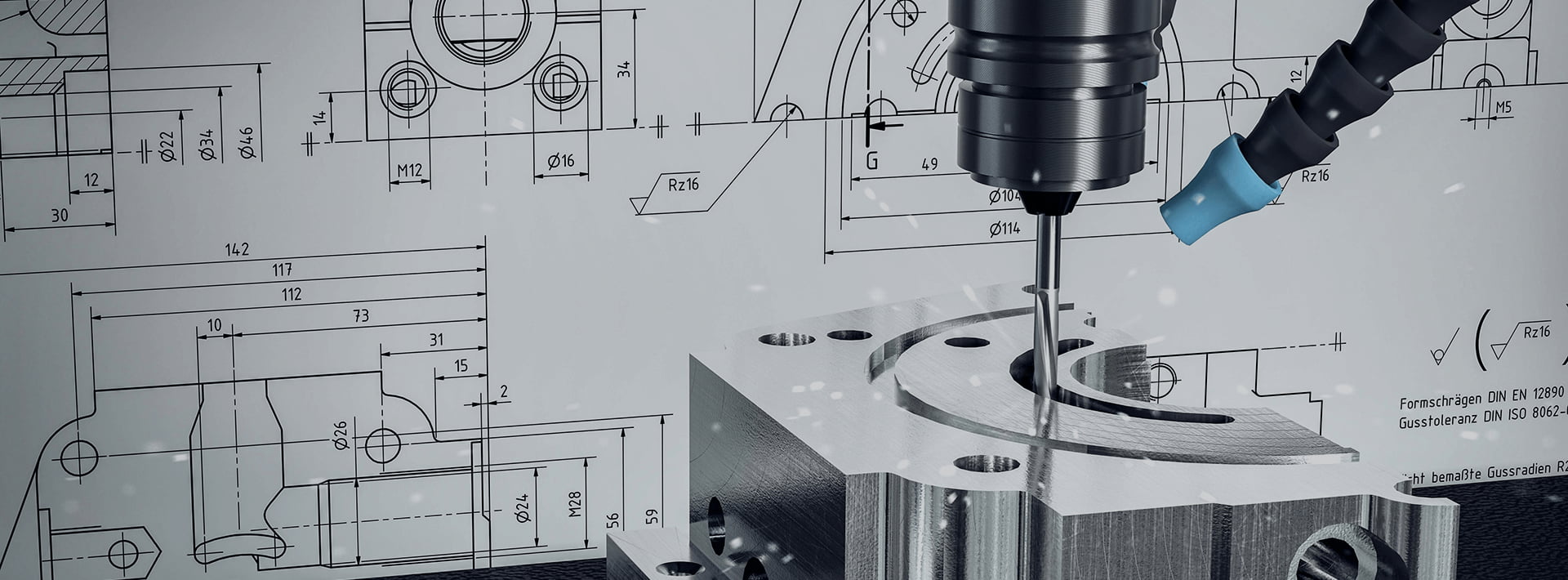
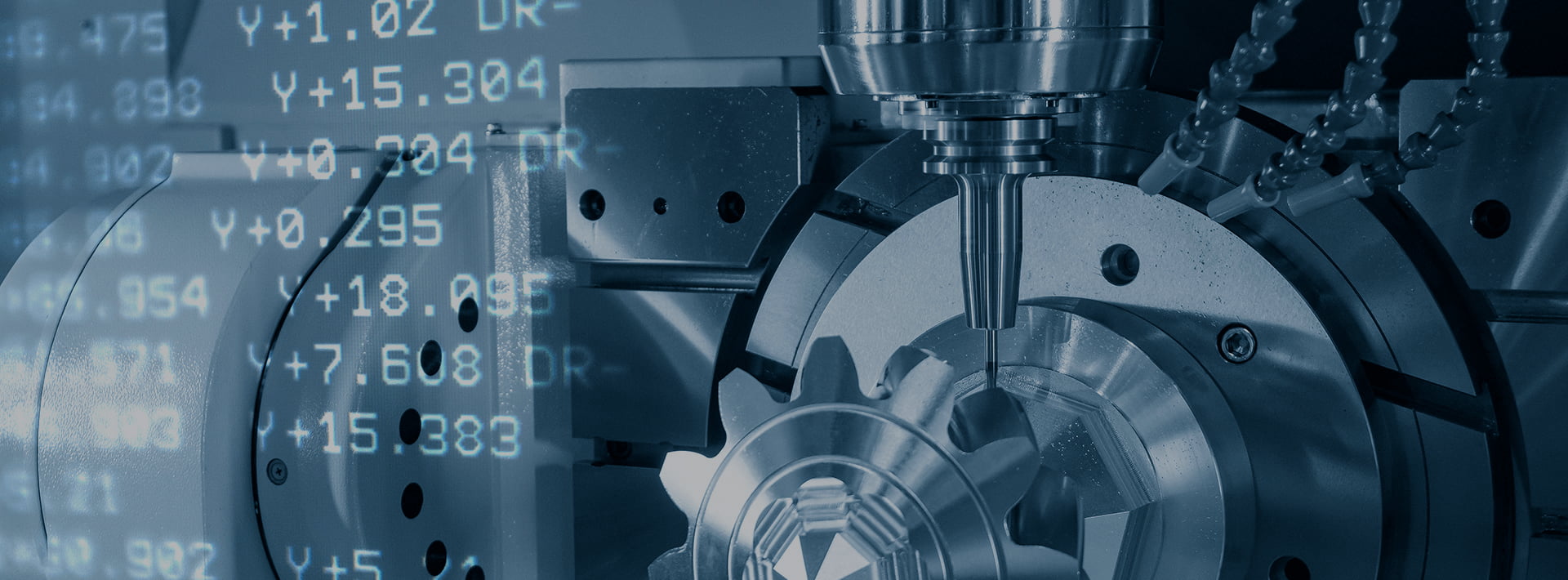
Use CAM software to convert CAD models into G-code/M-code-digital instructions that guide CNC machines. Key optimizations:
- Tool selection (end mills, drill bits) based on material (e.g., carbide tools for titanium).
- Cutting parameters (speed, feed rate) to minimize material waste and residual stress .
- Multi-axis toolpaths for complex parts (e.g., 5-axis machining for frame joints to avoid repositioning) .
Step 4: CNC Machining Execution
Secure the raw material (solid blocks, tubes) in the machine's workholding device, then execute the program. Core processes include:
- Milling: Shapes flat/complex surfaces (e.g., stems, handlebars).
- Turning: Creates cylindrical parts (e.g., hubs, crankshafts) .
- Drilling/threading: Adds mounting holes and fastener interfaces (tolerances +/-0.2 mm for cable stops) .
Step 5: Quality Control (QC)
Implement multi-stage inspections to ensure compliance:
- In-process checks: Verify dimensions during machining using calipers and micrometers.
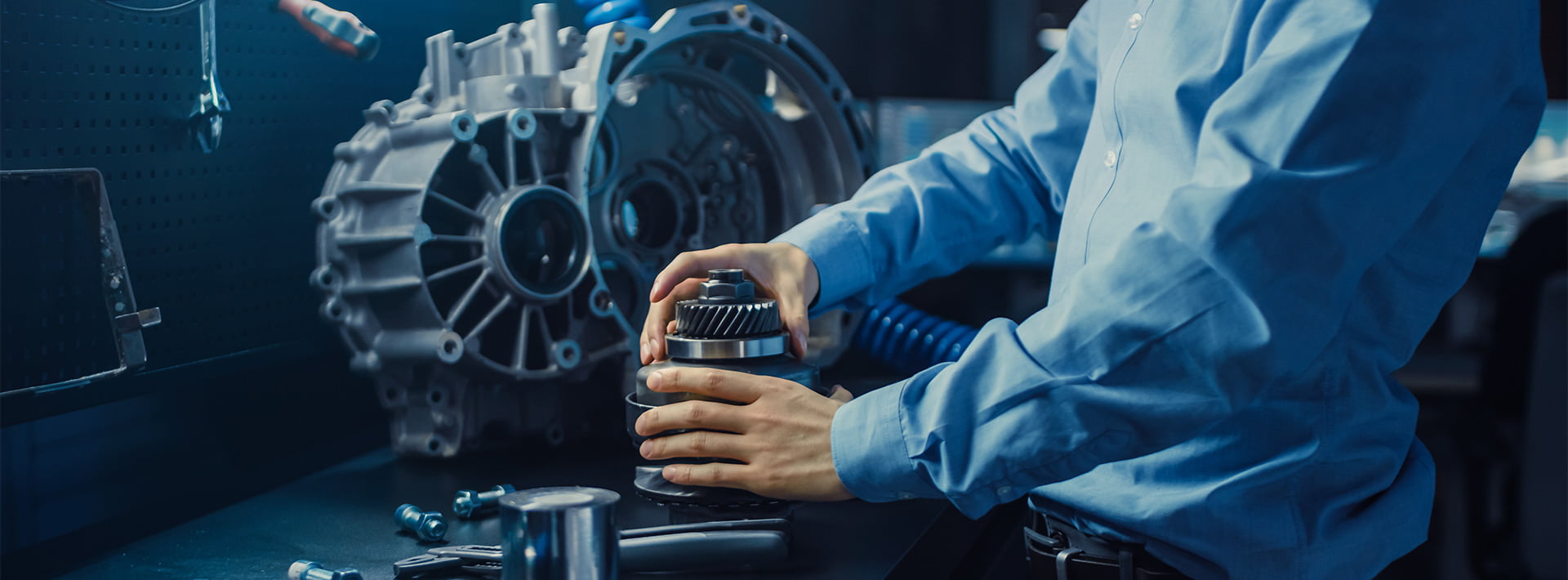
- Post-machining tests: Use CMM (Coordinate Measuring Machines) for 3D accuracy validation .
- Stress testing: Ensure residual stress <=50 MPa and fatigue durability for multi-season use .
- Burr removal: Deburr internal passages to <=0.05 mm for safety and performance .
Step 6: Finishing
Apply surface treatments to enhance durability, aesthetics, and functionality:
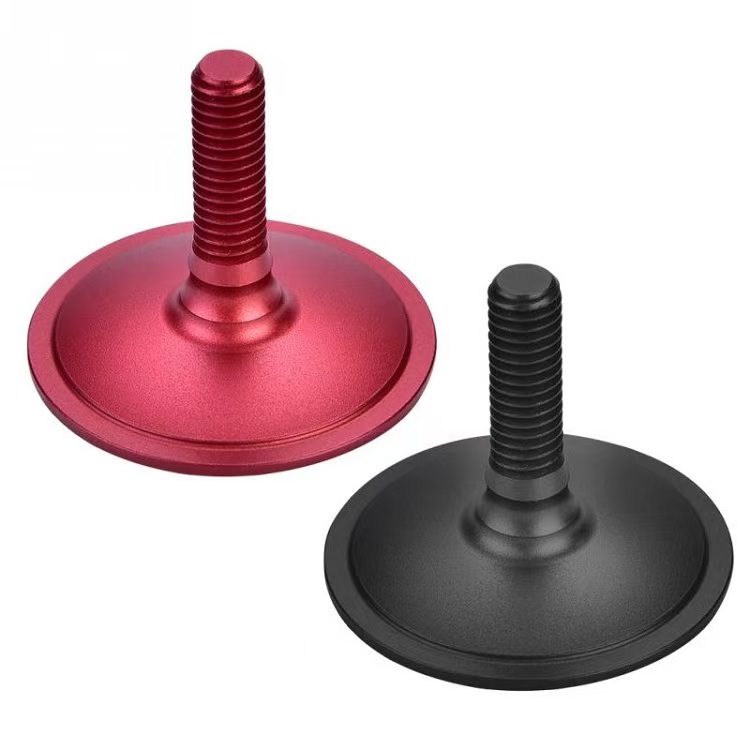
- Anodization (aluminum parts): Adds corrosion resistance and custom colors .
- Heat treatment (titanium/aluminum): T6 solutionizing (aluminum) or annealing (titanium) for strength .
Step 7: Assembly & Distribution
For multi-component parts (e.g., frame assemblies), bond/weld machined components with precision alignment. Distribute finished parts directly to customers or via retailers, with packaging tailored to prevent damage .
4. Critical Considerations for Customization
- Material Selection: Balance weight, strength, and cost-e.g., 7075-T6 aluminum for aero parts (lightweight/strong), stainless steel for brake systems (corrosion resistance) .
- Tolerance Alignment: Match tolerances to part function-e.g., +/-0.005 mm for bearing surfaces, +/-1% weight tolerance for structural components .
- MOQ & Lead Times: Most manufacturers offer no-minimum order quantities (MOQs) for custom parts, with production lead times 2-3 weeks and prototyping in 1-5 days .
- Certifications: Prioritize suppliers with ISO 9001:2015 or AS9100 certifications for consistent quality .
5. Choosing a Custom CNC Bike Parts Manufacturer
Select a partner with:
- Experience in bike-specific machining (e.g., familiarity with ISO 4210 safety standards).
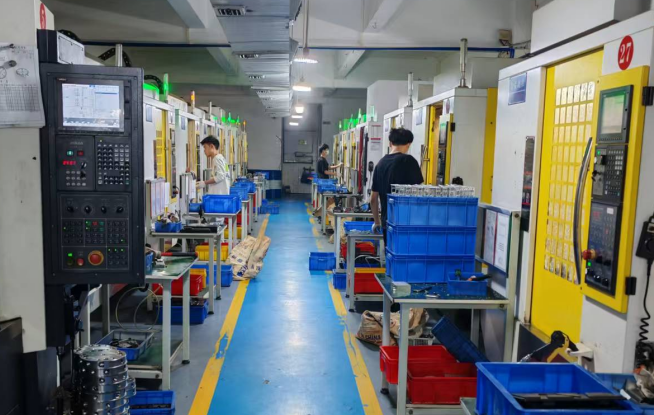
- Advanced equipment (3-5 axis CNC mills/lathes) and material expertise (titanium, composites) .
- Transparent QC processes and sample validation.
- Flexible customization (e.g., custom colors, unique geometries) and responsive design support .
Custom CNC bike parts manufacturing blends precision engineering with rider-centric design-delivering components that elevate performance, comfort, and durability. By following this workflow and prioritizing key considerations, you can bring tailored bike parts from concept to reality.