EU New Battery Regulation: How It Drives Demand for Precision CNC Machining of Battery Trays
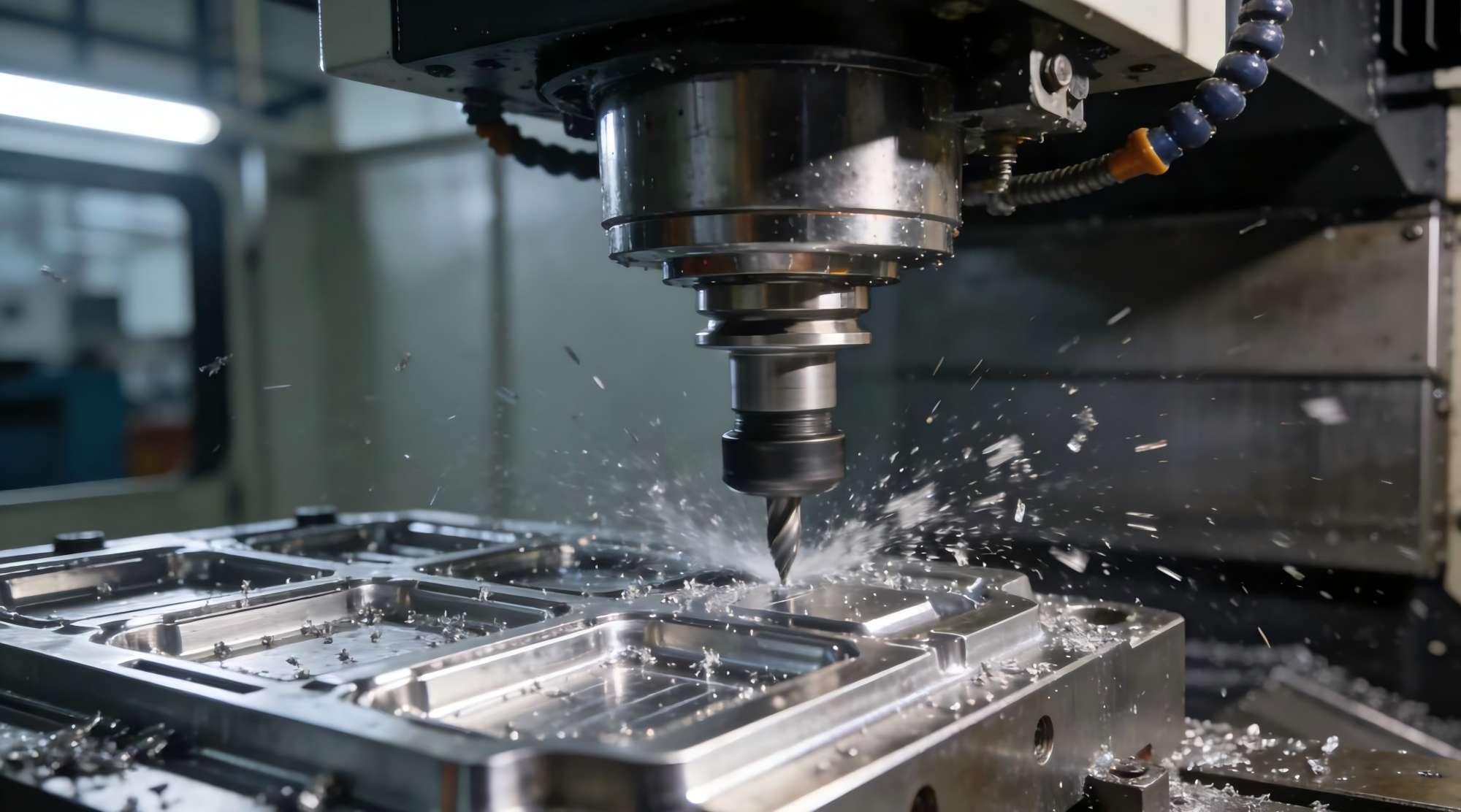
The EU's new Battery Regulation (Regulation (EU) 2023/1542) has officially come into force, marking a paradigm shift in the global battery and automotive industries. For manufacturers of battery trays-critical components for electric vehicles (EVs), energy storage systems, and industrial equipment-the regulation's strict mandates on lightweighting, durability, and sustainability are reshaping production priorities. As a leading CNC machining partner, we've anticipated these changes and completed targeted technical preparations to support clients in navigating compliance while enhancing product performance.
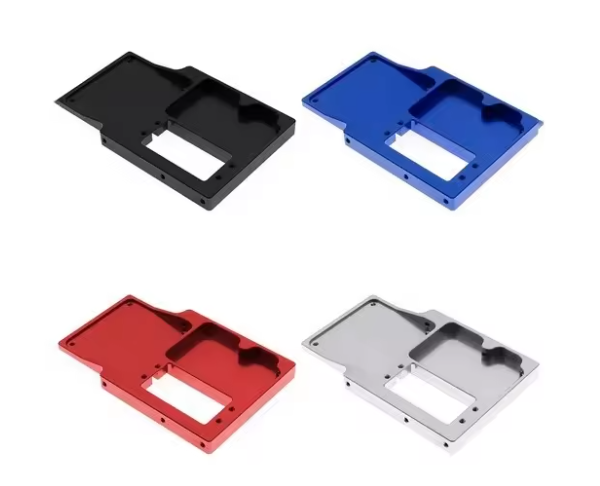
Another key requirement of the EU regulation is enhanced structural integrity, as battery trays must withstand extreme conditions while ensuring safety. This has elevated the demand for friction stir welding (FSW) - a solid-state joining process ideal for aluminum. Unlike traditional welding, FSW avoids thermal distortion and creates defect-free joints with mechanical properties exceeding the base material, critical for meeting the regulation's crashworthiness and longevity standards. Our technical team has mastered FSW for battery tray assembly, integrating it with CNC machining to deliver one-piece solutions that reduce assembly steps and improve reliability. We've also validated our processes through rigorous testing, including tensile strength analysis and corrosion resistance assessments, ensuring compliance with EU safety and durability benchmarks.
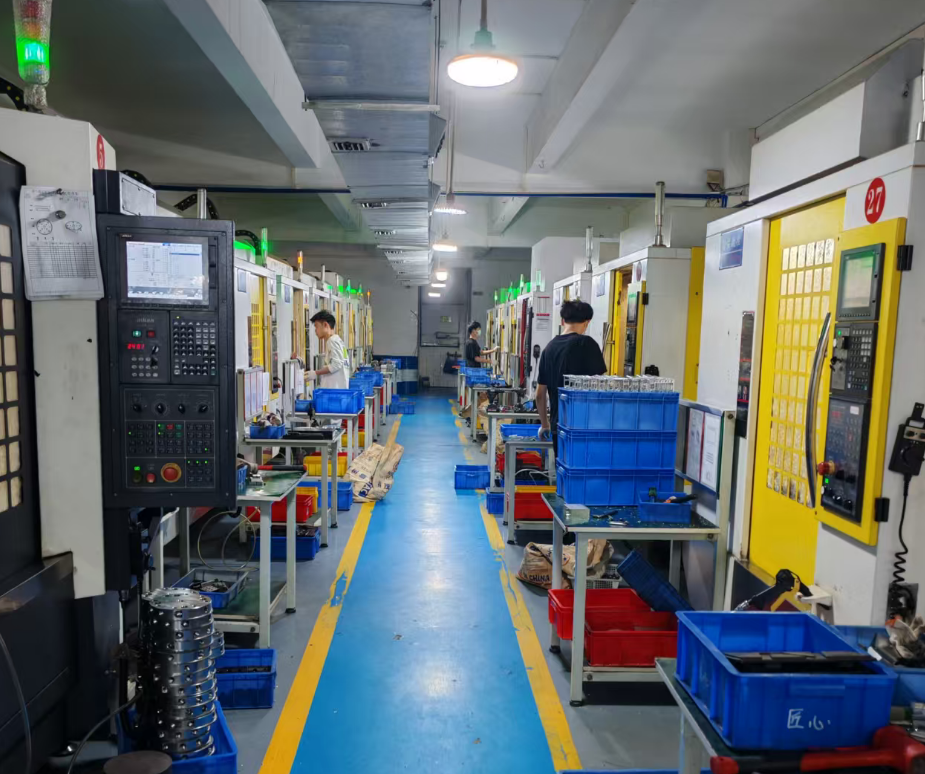
Beyond material and process upgrades, the new regulation emphasizes supply chain transparency and traceability-requirements that underscore the need for a trusted manufacturing partner. As a China-based CNC machining specialist with over a decade of experience serving global automotive and energy clients, we offer end-to-end support: from material selection (certified recycled aluminum options available) and prototype development to mass production and quality documentation. Our ISO 9001 and IATF 16949 certifications, combined with advanced quality control systems (3D laser scanning, coordinate measuring machines), guarantee that every battery tray meets EU regulatory requirements and client-specific specifications.
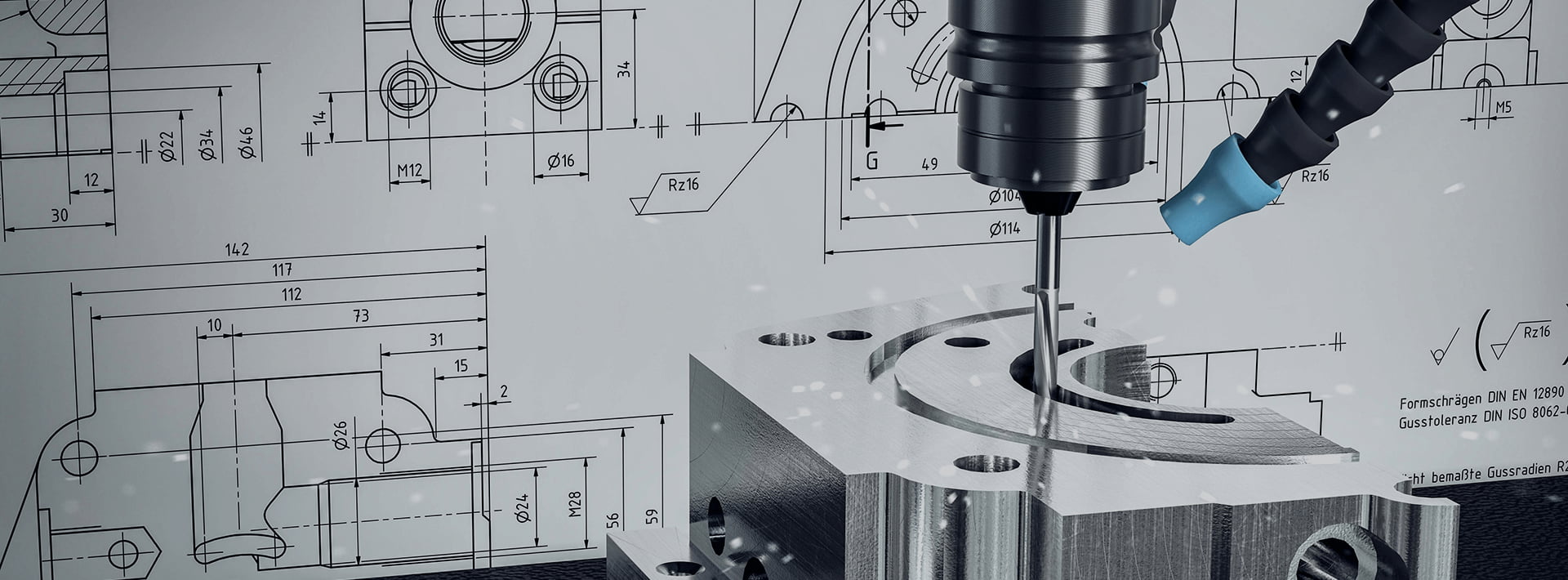
The EU's new Battery Regulation isn't just a compliance hurdle-it's an opportunity for manufacturers to innovate and gain a competitive edge. By investing in multi-axis CNC machining and friction stir welding, we've positioned ourselves to address the industry's evolving needs, delivering lightweight, durable, and regulation-ready battery trays that drive performance and sustainability.
If you're navigating the technical challenges of battery tray fabrication under the new EU rules-whether optimizing for lightweighting, enhancing structural integrity, or ensuring full compliance-we're here to help. Our engineering team can provide tailored solutions, from design for manufacturing (DFM) consultations to sample production, and support your journey from prototype to market.
Let's turn regulatory compliance into a competitive advantage. Reach out today to discuss your battery tray machining needs and request a custom quote.